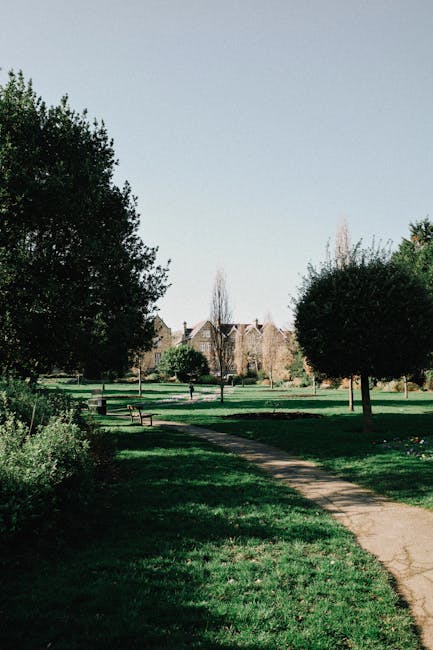
Brunswick Park N11 gardeners serving Bounds Green and Bowes Park: a practical local guide
If you live in Brunswick Park, Bounds Green, or Bowes Park, you already know gardens here can be lovely one week and a bit unruly the next. A long hedge starts leaning into the path. The lawn thins out after a dry spell. Ivy suddenly decides it owns the fence. That is exactly where Brunswick Park N11 gardeners serving Bounds Green and Bowes Park become useful: not just as people who cut, trim, and tidy, but as local specialists who understand how London gardens really behave across the seasons.
This guide walks through what local gardening support typically involves, how the process works, what to expect, and how to decide which jobs are worth doing now versus later. We'll also cover practical maintenance, privacy, lawn care, fencing, tree work, and the everyday details that make an outside space easier to live with. If you want a garden that looks cared for without becoming a second full-time job, you're in the right place.
Table of Contents
- Why Brunswick Park N11 gardeners serving Bounds Green and Bowes Park Matters
- How Brunswick Park N11 gardeners serving Bounds Green and Bowes Park Works
- Key Benefits and Practical Advantages
- Who This Is For and When It Makes Sense
- Step-by-Step Guidance
- Expert Tips for Better Results
- Common Mistakes to Avoid
- Tools, Resources and Recommendations
- Law, Compliance, Standards, or Best Practice
- Options, Methods, or Comparison Table
- Case Study or Real-World Example
- Practical Checklist
- Conclusion
- Frequently Asked Questions
Why Brunswick Park N11 gardeners serving Bounds Green and Bowes Park Matters
Local gardening support matters because gardens are not generic. A terrace in Bowes Park has different light, boundary, and access issues from a larger rear garden near Brunswick Park. Meanwhile, nearby streets in Bounds Green can have narrow side passages, mature trees, shared fences, and a mix of new planting and older growth that needs careful handling. A gardener who works in the area regularly will recognise these patterns straight away.
There is also the rhythm of local maintenance. In spring, everything seems to surge at once. By late summer, some borders are dry while others are full of weeds. In autumn, leaf fall can bury a lawn or block drainage. In winter, exposed shrubs may need tying in or protection. A good local gardener does not just react; they anticipate the next problem before it turns into a bigger one. Honestly, that saves a lot of stress.
For many households, the biggest value is simple: consistency. The garden stops swinging between "manageable" and "what happened here?" That matters if you use the space for children, pets, entertaining, or just having your morning tea outside without staring at a mossy patio and thinking, not today.
There is a wider practical point too. Healthy hedges, clean patios, and well-managed planting can improve privacy, drainage, and safety. If you want a calmer outdoor space, useful choices often begin with the basics: trimming, clearing, mowing, and sensible planting rather than grand redesigns.
How Brunswick Park N11 gardeners serving Bounds Green and Bowes Park Works
Good garden work usually starts with a straightforward walk-through. The gardener looks at the site, notes the condition of lawns, beds, hedges, paved areas, and any awkward corners, then talks through priorities. It sounds basic, but it is where most of the value comes from. No two gardens need the same fix, even if they look similar at first glance.
A typical service may include one-off clearance, routine garden maintenance, hedge trimming, lawn mowing, lawn care, patio cleaning, or more involved work such as landscaping, fencing, or tree surgery. Some clients want seasonal help. Others want a regular schedule so the garden stays in shape all year. Many want both: a reset first, then lighter ongoing visits.
In practice, the process often looks like this:
- Initial assessment of the garden condition and access.
- Discussion of goals, budget, and timing.
- Selection of priority tasks, such as mowing, pruning, or weeding.
- Completion of the work with tidy-up and waste removal where agreed.
- Follow-up planning for ongoing care, seasonal tasks, or future improvements.
That may sound routine, but it is where a lot of less organised jobs go wrong. A rushed gardener might cut everything back without noticing nesting birds, shade patterns, or a hedge that would recover better if handled a different way. The better approach is measured and practical. A little judgment goes a long way.
If you are comparing broader support options, browsing the site's gardening services and garden maintenance information can help you think through what level of help fits your garden rather than chasing the loudest sales pitch.
Key Benefits and Practical Advantages
The main benefit of local gardening support is not just a nicer-looking garden, though that matters. It is the compound effect of small, well-timed actions. Trim a hedge before it becomes heavy and awkward. Mow a lawn before weeds seed. Clear a patio before algae turns it slippery. These modest jobs stack up.
Here are the advantages most homeowners notice first:
- Better appearance with less effort - the garden looks cared for even during busy weeks.
- Improved usability - paths, seating areas, and lawns become easier to use.
- Healthier planting - pruning, feeding, and seasonal care support stronger growth.
- More privacy - hedging, fencing, and climbers can soften overlooking issues.
- Reduced risk - overgrown branches, slippery surfaces, and unstable features are easier to manage.
- Less waste and clutter - regular clearance prevents the slow build-up that makes gardens feel smaller.
There is also a time benefit that people often underestimate. A two-hour garden session can quietly turn into a whole Saturday if you are doing it alone, stopping for tools, then trying to deal with the green waste afterwards. A professional routine can cut through that spiral. You get your weekend back. Simple, but very real.
For privacy-led projects, it may help to think about structure before decoration. A useful read on fast-growing hedges for privacy can give you a better sense of what works in a London garden where neighbours are close and the light changes quickly through the day.
Who This Is For and When It Makes Sense
Not every garden needs the same level of attention. Some just need tidy, regular maintenance. Others need a rescue. Brunswick Park N11 gardeners serving Bounds Green and Bowes Park are especially useful if your garden falls into one of these groups:
- You work long hours and want the outside space kept under control.
- You have a rental or sale property that needs to present well.
- You have hedges, shrubs, or climbers that have outgrown their space.
- Your lawn has become patchy, mossy, or uneven.
- You need help with patios, decking edges, or boundary features.
- You want safer, more child-friendly or pet-friendly outdoor space.
- You've inherited a neglected garden and need to decide what stays and what goes.
It also makes sense if you are trying to improve the garden in stages. Truth be told, that is often the smartest route. Sort the basics first. Then add privacy, planting structure, seating, or more ambitious landscaping later.
Some homeowners wait until the garden is "bad enough" to call in help. Fair enough, life gets busy. But a smaller problem is usually cheaper and easier to solve than a full seasonal reset. That is especially true for ivy, bramble, self-seeded saplings, and hedges that have been cut back unevenly for years. Those things have opinions. Strong ones.
Step-by-Step Guidance
If you want the best outcome from a local gardener, it helps to approach the job methodically. Here is a practical route that works well for most homes in the area.
1. Walk the garden with a clear purpose
Look at the space in daylight if you can. Make notes on what bothers you most: overgrowth, lack of privacy, weak lawn areas, slippery paths, poor drainage, or planting that simply does not work. You do not need a perfect plan at this stage. Just be honest about what is getting in the way.
2. Separate urgent jobs from improvement jobs
Urgent tasks are the ones affecting safety, access, or plant health. Improvement jobs are the ones that make the garden nicer but do not need to happen today. For example, cutting back a dangerous branch is urgent; redesigning the seating area is an improvement. Both matter, just not at the same time.
3. Focus on structure first
Before adding decorative planting, get the bones of the garden right. That usually means lawn edges, hedge lines, paths, borders, and any fencing or boundary issues. If the framework is messy, even good plants can look lost. This is where services like landscaping support or fencing work can make a dramatic difference.
4. Tackle clearance and restoration
Neglected beds often need weeding, deadheading, pruning, and sometimes removal of invasive or overly dominant growth. If ivy has become a recurring problem, a careful approach matters. See the ivy removal guide for a better understanding of how to stop it from coming back stronger.
5. Set a maintenance rhythm
Once the garden is under control, decide how often it needs attention. Some gardens need weekly mowing in peak growing periods; others only need fortnightly visits. Hedges and borders may need seasonal work, while patios and decking can be cleaned less often but more thoroughly.
That rhythm is the difference between a garden that stays pleasant and one that keeps asking for emergency attention every few months.
Expert Tips for Better Results
Here is the bit that saves trouble later. Small choices, made early, can prevent a lot of poor outcomes.
- Match plants to conditions - sun, shade, wind, and soil matter more than looks in the shop.
- Do not overcut hedges - a hard cut may look neat briefly, but some hedges struggle to recover properly.
- Choose the right ground cover - in tricky beds, ground cover can reduce weeds and hold soil better. A useful starting point is ideas for ground cover plants.
- Use climbers with care - they are brilliant for screening, but only if the support and wall surface suit the plant. For shaded spots, evergreen climbers for shade can be worth exploring.
- Keep the lawn simple - too much patchwork treatment can make matters worse. Basic mowing, feeding, and aeration often outperform complicated fixes.
- Think about weather exposure - Bowes Park and Brunswick Park gardens can face wind tunnels, shaded corners, and sudden rain soak-through. A quick read on windy garden solutions is useful if your planting keeps getting battered.
One practical detail people miss: visibility. If you cannot easily see the edge of a bed or hedge line from the house, it will be harder to maintain over time. This is why tidy structure and simple planting choices often beat a "busy" garden design. Not always, but often enough.
For gardeners who want a more sustainable routine, it is also worth thinking in terms of reuse and soil health. The article on turning garden waste into soil-enriching value is a helpful reminder that clippings and compostables are not just rubbish; they can be part of a healthier cycle.
Common Mistakes to Avoid
There are a few mistakes that keep appearing in local gardens, and they are usually avoidable.
- Cutting everything at once - it is tempting, but heavy-handed cutting can expose weak growth or leave plants stressed.
- Ignoring access - if a side passage is too tight, work can become slower and more expensive than expected.
- Choosing plants for appearance only - pretty is good. Suitable is better.
- Leaving ivy and bramble too long - they can damage surfaces, hide pests, and spread quickly.
- Forgetting seasonal timing - some tasks are best done in specific months, not whenever you finally have time.
- Letting patios go slippery - algae and staining are not just ugly, they are a nuisance and can be hazardous.
There is also a softer mistake: expecting a garden to look fully "finished" after one visit. In reality, a lot of outdoor spaces improve in layers. First the clutter comes out. Then the shape returns. Then the planting starts to breathe again. That sequence is normal.
If pets or children use the garden, planning matters even more. A little more thought about plant choice, thorny growth, and surface conditions can save a lot of awkward moments. The guide on peace between plants and paws is worth a look if the family dog thinks flowerbeds are optional.
Tools, Resources and Recommendations
You do not need a van full of gear to keep a local garden in good shape, but the right tools make the job much smoother.
| Task | Useful tools or resources | What to watch for |
|---|---|---|
| Lawn maintenance | Mower, edging tool, rake, seasonal feed | Uneven cuts, compaction, moss build-up |
| Hedge trimming | Hand shears, hedge trimmer, ladder, safety gloves | Bird nesting season, overcutting, uneven faces |
| Weed control | Hand fork, hoe, mulch, regular inspection | Missing roots, seed spread, repeat growth |
| Patio care | Brush, pressure washing where appropriate, patio cleaner | Slippery algae, joint erosion, staining |
| Privacy planting | Climbers, hedges, trellis, secure supports | Shade, root spread, maintenance demands |
If you prefer a simpler setup, container planting can be a very good option for smaller gardens, yards, or rented homes. It gives you flexibility, especially where soil quality is poor or space is tight. The article on container gardening is useful if you want colour and structure without committing to a full border rebuild.
For seasonal care, it also helps to think ahead. Winter protection, for example, is much easier if you prepare before the first hard frost. A quick guide to winterizing plants can help you avoid the usual panic when temperatures drop and everything suddenly looks a bit fragile.
Law, Compliance, Standards, or Best Practice
Most gardening work is straightforward, but there are still some sensible UK best practices to keep in mind. If a job involves trees, boundary work, shared access, or tools that create risk, care and communication matter. That is not bureaucracy for its own sake; it is how neighbours stay happy and work stays safe.
For example, hedge trimming should be timed with awareness of nesting birds and plant health. Tree work should be assessed carefully, especially if branches overhang neighbouring properties or public areas. When fences sit on boundary lines, it is wise to clarify ownership before replacing or altering anything. Small misunderstanding, big headache. We've all seen that one unfold on a street.
Good practice also means proper handling of waste, safe storage of chemicals if they are used, and mindful use of ladders, blades, and powered equipment. Reputable gardeners should be able to explain how they work safely and what precautions they take on site. If you want to understand that side in more detail, the site's health and safety information and insurance and safety guidance are useful places to look.
Privacy, payments, and service expectations also matter. Clear terms reduce friction, and written quotes help everyone understand what is included. That is why pages such as pricing and quotes, terms and conditions, and payment and security are worth checking before booking any work. Not glamorous, perhaps, but very useful.
Options, Methods, or Comparison Table
If you are deciding how to approach your garden, it helps to compare the main routes rather than treating every problem as the same kind of job.
| Approach | Best for | Pros | Limitations |
|---|---|---|---|
| Routine maintenance | Gardens that are already fairly tidy | Predictable, tidy, cost-effective over time | Does not solve deeper design or boundary issues |
| One-off clearance | Neglected or overgrown spaces | Fast reset, clear visual improvement | Needs follow-up to prevent regrowth |
| Hedge and privacy work | Overlooked gardens or exposed plots | Improves screening, structure, and atmosphere | May need ongoing shaping and care |
| Landscaping and structural changes | Problem layouts, tired patios, boundary upgrades | Longer-term impact, better flow | Usually higher cost and planning effort |
| Tree surgery | Large, risky, or unhealthy trees | Improves safety and tree health when done properly | Specialist task; not suitable as a casual DIY job |
For many local households, the best answer is a mixture. A one-off clean-up, followed by maintenance, is often better than throwing everything into a single big redesign. If privacy is the main issue, pairing hedge work with the right screening or natural privacy fence ideas can create a softer, more settled feel.
Case Study or Real-World Example
Here is a realistic example from the kind of job that comes up often in this part of north London.
A small rear garden in the Brunswick Park area had become a patchwork of overgrowth: a lawn with bare sections, a hedge that had outgrown its shape, ivy climbing the back fence, and a patio that had gone green after a wet spell. The owners wanted two things: make the space usable again and create more privacy from neighbouring windows.
The work was handled in stages. First came clearance and cutting back the worst of the growth. Then the patio was cleaned, the hedge was reduced carefully rather than hacked down, and the ivy was stripped away before it spread further. After that, the garden was left with a much clearer structure. A few privacy-focused plant choices were discussed for the next phase, along with a simpler maintenance routine that the owners could keep up with during the week.
The result was not a complete transformation into a magazine garden overnight. And that is the point. It became practical, calmer, and easier to enjoy. The smell of damp soil disappeared after the clean-up, the sitting area felt less boxed in, and suddenly the garden worked again. Sometimes that is enough. More than enough, actually.
Practical Checklist
Before you book gardening support or start work yourself, run through this quick checklist.
- Identify the main issue: maintenance, clearance, privacy, safety, or design.
- Check whether access is easy for tools, waste removal, and equipment.
- Make note of anything fragile, valuable, or shared with neighbours.
- Decide which jobs are urgent and which can wait until the next season.
- Take photos before work starts so you can track progress.
- Ask how waste will be handled and whether tidy-up is included.
- Confirm whether hedge, tree, or boundary work needs extra caution.
- Plan follow-up maintenance so the garden does not slip back quickly.
- Think about pets, children, seating areas, and everyday movement through the space.
- Keep your goals realistic. The best gardens are usually built in steps.
Expert summary: the smartest garden improvements usually start with shape, safety, and maintenance, then move into planting and styling once the basics are under control. That sequence keeps costs sensible and results steady.
Conclusion
Brunswick Park N11 gardeners serving Bounds Green and Bowes Park are most valuable when they bring order to the everyday things that quietly shape a garden: mowing, hedge trimming, weeding, pruning, clearance, and the careful fixing of what has slowly gone off track. That practical work creates the space for everything else, from privacy planting to patio seating and better seasonal colour.
Whether your garden needs a quick reset or a longer-term plan, the real win is having a space that feels manageable again. Not perfect. Just better to live with, easier to enjoy, and a bit more yours. And that, to be fair, is often what people really want from a good garden.
If you are ready to talk through what your garden needs next, take a look at the available services and service information, then make the first move when it feels right.
Get a free quote today and see how much you can save.
Frequently Asked Questions
What do Brunswick Park N11 gardeners serving Bounds Green and Bowes Park usually help with?
They usually help with garden maintenance, lawn mowing, hedge trimming, weeding, patio cleaning, hedge and fence-related work, seasonal tidy-ups, and broader garden improvements. Some clients only need a one-off clearance, while others prefer regular visits.
How often should a garden in this area be maintained?
It depends on the size of the space and how quickly things grow, but many gardens benefit from regular attention during spring and summer. Lawns often need more frequent care in the growing season, while hedges and borders may only need periodic work.
Is a one-off garden clearance worth it?
Yes, especially if the garden has become overgrown or difficult to use. A one-off clearance can reset the space, make later maintenance easier, and reveal problems you could not see before, such as damaged fencing or poor drainage.
Can local gardeners help with privacy as well as general maintenance?
Absolutely. Privacy improvements often involve hedge trimming, planting screening shrubs, fencing, or climbers. The best solution depends on your light levels, boundary layout, and how much upkeep you want to take on.
What should I ask before booking a gardener?
Ask what is included in the quote, how waste is handled, whether the gardener is insured, how they approach safety, and what kind of follow-up maintenance they recommend. A clear conversation at the start usually prevents confusion later.
Do gardeners work on patios and decking too?
Yes, many do. Patio cleaning can improve grip and appearance, while surrounding planting and edging often need tidying to make those spaces feel properly finished. Decking and adjacent borders are best treated as part of the whole garden, not separate islands.
What is the best way to deal with ivy that keeps returning?
Ivy needs careful removal and follow-up, because bits left behind can regrow. A thorough cut-back, root attention where possible, and monitoring over time is usually better than simply pulling at the visible growth and hoping for the best.
How can I make a small garden feel bigger?
Keep the structure simple, reduce clutter, use vertical planting where appropriate, and avoid overcrowding borders. Clean lines, lighter planting, and well-kept surfaces often make a small space feel more open than a busy design with too many competing features.
Are tree and hedge jobs safe to do myself?
Small hedge shaping may be manageable for some homeowners, but taller hedges, overhanging branches, or unstable trees should be handled with care. If the work needs ladders, heavy cutting, or specialist judgement, it is usually better to get professional help.
What are the signs my lawn needs more than a simple mow?
If the lawn is patchy, compacted, mossy, or full of weeds, mowing alone will not solve it. In that case, lawn care may involve feeding, aeration, scarifying, overseeding, or a longer-term restoration approach.
Can gardeners help with pet-friendly or child-friendly gardens?
Yes. That often means choosing safer planting, avoiding sharp or toxic species where possible, improving access routes, and making sure the garden remains practical for day-to-day life. It is a small bit of planning that pays off every single week.
How do I know whether I need landscaping or just maintenance?
If the space mostly needs routine tidying, maintenance is enough. If the layout is awkward, the boundaries need changing, the patio needs rethinking, or the garden lacks structure, landscaping may be the better choice. Sometimes you need a bit of both.
What should I do before the gardener arrives?
Clear access where you can, note your priorities, secure pets, and point out anything delicate or shared with neighbours. A quick walk-through at the start helps the job run smoothly and avoids accidental surprises.
How can I keep the garden looking good between visits?
Stick to a light weekly routine: quick weeding, checking for fallen leaves, watering where needed, and keeping an eye on fast-growing areas. Small, regular attention is easier than trying to rescue everything later. That is usually the truth of it.