Top gardening services near Arnos Grove station Brunswick Park
If you're searching for Top gardening services near Arnos Grove station Brunswick Park, you're probably after more than a quick tidy-up. Maybe the lawn has lost its shape, the hedge is getting away from you, or the whole garden just feels a bit tired and unfinished. That happens. Gardens in this part of North London can look lovely in spring and then, after a few busy weeks, suddenly become a job you keep postponing.
This guide breaks down what the best local gardening support usually includes, how the work is carried out, what to look for before you book, and where services like maintenance, mowing, hedge trimming, landscaping, and tree care fit into the picture. You'll also find practical advice for comparing options, avoiding common mistakes, and choosing a service that actually suits your garden rather than forcing your garden into a rigid template.
Let's get into it properly.
Table of Contents
- Why this matters locally
- How local gardening services work
- Key benefits and practical advantages
- Who this is for and when it makes sense
- Step-by-step guidance
- Expert tips for better results
- Common mistakes to avoid
- Tools, resources and recommendations
- Law, compliance and best practice
- Options and comparison table
- Case study or real-world example
- Practical checklist
- Conclusion
- Frequently asked questions
Why Top gardening services near Arnos Grove station Brunswick Park Matters
In a neighbourhood like Brunswick Park, a garden is often doing several jobs at once. It's somewhere to relax after work, somewhere children can play, somewhere pets can roam, and, if you're honest, somewhere you'd like to look presentable without spending every weekend on your knees with a trowel. That's why choosing the right gardening service matters so much. The best providers do not just cut grass. They help keep the whole outdoor space healthy, tidy, safe, and usable.
Near Arnos Grove station, many homes have compact front gardens, modest back gardens, mature shrubs, fences, patios, and mixed planting. That mix can be beautiful, but it also means one-size-fits-all care tends to fall short. A service that understands local conditions will usually pay attention to shade, boundary privacy, soil condition, seasonal growth, and how much maintenance you really want to take on.
There's also the practical side. Overgrown hedges can block light, weeds can take over paths in no time, and an untended lawn can look patchy even when the weather has been kind. A good gardener helps you stay ahead of all that, rather than playing catch-up later. To be fair, that is half the battle.
For homeowners, landlords, and busy tenants alike, this is not just about appearance. It's about making the garden easier to use and easier to live with. And if your outdoor space has become a bit of a no-go zone, a well-planned reset can feel surprisingly energising.
How Top gardening services near Arnos Grove station Brunswick Park Works
Most local gardening services begin with a conversation about the condition of the garden, the type of work needed, and how often you want it maintained. From there, a gardener may suggest a one-off visit, a seasonal tidy, or regular maintenance. The right option depends on whether you're dealing with an immediate problem or trying to keep things consistently under control.
Typical work might include mowing, edging, hedge trimming, weeding, pruning, leaf clearance, border care, planting, and green waste removal. Some jobs are straightforward. Others need a more careful hand. For example, shaping a hedge evenly is not the same thing as simply trimming it down, and a neglected garden overhaul needs a more methodical approach than a weekly maintenance visit.
In many cases, the process is fairly simple:
- Assess the garden and identify priorities.
- Agree the scope of work, timing, and any access details.
- Carry out the work with the right tools and safety precautions.
- Remove waste, tidy the area, and check the finished result.
- Set a maintenance rhythm so the same issues do not build up again.
If you want a broader overview of available help, the general gardening services page is a sensible starting point, while more specific tasks such as garden maintenance, lawn mowing, and hedge trimming in Brunswick Park show how the work can be split into practical service types.
That split matters. A garden overrun with brambles and ivy needs different treatment from a garden that simply needs regular cutting and light pruning. Honest assessment first, action second. That's the good rhythm.
Key Benefits and Practical Advantages
The most obvious benefit is a cleaner, better-looking garden. But the real value goes a bit deeper than that. A properly maintained garden is easier to enjoy, cheaper to keep under control over time, and less likely to develop avoidable problems like dead patches, self-seeding weeds, blocked drainage, or damaged borders.
- Time savings: You reclaim hours each month that would otherwise disappear into repetitive outdoor chores.
- Better plant health: Regular pruning, feeding, and weeding reduce stress on shrubs, borders, and lawns.
- Improved curb appeal: A neat front garden makes a strong first impression, especially on a street with mixed property styles.
- Safer outdoor spaces: Clear paths, tidy edges, and sensible tree or hedge management reduce trip hazards and visibility issues.
- Lower long-term repair costs: Catching problems early usually costs less than fixing a full-blown garden mess later.
There's a quieter benefit too: peace of mind. When you know your hedge won't suddenly become a privacy issue, or your lawn won't go from manageable to wild in two weeks, the garden stops hanging over you. You don't think about it all the time. Which is oddly lovely.
If privacy is one of your main concerns, you might also find it useful to read about fast-growing hedges for privacy and natural-material privacy fences. Those ideas can work well alongside routine garden care when the goal is to make your outdoor space feel more sheltered.
Who This Is For and When It Makes Sense
These services suit a wide range of people, and that's part of the appeal. You do not need a huge garden to benefit. In fact, smaller spaces around station-adjacent properties often need the most thoughtful maintenance because every square metre counts.
- Busy homeowners: If work and family life are already full, regular maintenance prevents weekend backlog.
- Older residents: Garden work can become physically demanding, especially when ladders, heavy bags, or awkward pruning are involved.
- Landlords and letting agents: A tidy garden helps properties feel cared for and more appealing to tenants.
- New homeowners: If you've inherited a garden with unknown plants, overgrowth, or patchy lawn, expert support can stop guesswork.
- Families with pets or children: Safer surfaces, better boundaries, and thoughtful planting can make the outdoor area much more usable.
It also makes sense if you've reached the point where the garden is not just untidy, but actively holding you back. Maybe you keep meaning to sort the patio, or the ivy has crept too far, or the lawn is looking like a patchwork quilt. That is exactly the moment when professional help starts to pay for itself in sanity, not just appearance.
For people trying to revive a tired plot, the article on starting a neglected garden overhaul is a helpful companion read.
Step-by-Step Guidance
If you want the best outcome, it helps to approach gardening work in stages rather than as one giant "fix everything" request. Here's a practical way to do it.
- Walk the garden first. Look at what is actually causing stress. Is it the lawn, the hedge line, weeds, overgrown climbers, or just a lack of structure?
- Separate urgent jobs from improvement jobs. Safety, access, and plant health come first. Decorative improvements can follow.
- Decide what should stay. Don't let a tidy-up accidentally remove mature shrubs or climbers that still have value.
- Choose the right service mix. A garden may need mowing, pruning, and patio cleaning rather than a vague general tidy.
- Set expectations clearly. Explain what you want to achieve, how often you want visits, and whether you prefer a neat formal finish or a softer, more natural look.
- Ask about disposal and follow-up. Waste removal, replanting, and aftercare can make a huge difference to the final result.
A small example: a front garden near a busy route may need repeated edging and hedge work more often than planting work. A back garden with shade might need weed control, better ground cover, and a little more thought around planting choices. Different garden, different rhythm.
If the visual layout is part of the issue, it can also help to think about seating and movement. The piece on designing elegant seating sections gives a good sense of how a garden can be made more usable, not just prettier.
Expert Tips for Better Results
There are a few habits that consistently improve the quality of gardening work. They are not flashy, but they do make a difference.
- Start with structure. Hedges, lawn shape, borders, and path edges usually make the biggest visual impact.
- Do not chase everything at once. A garden that needs a major reset is usually best tackled in sensible phases.
- Match plants to conditions. Shade, wind exposure, and moisture levels matter more than a plant label does.
- Be realistic about maintenance. If you want low effort, choose planting schemes and features that are genuinely easy to look after.
- Think seasonally. Autumn leaf fall, spring growth spurts, and winter protection all need different attention.
One small but important tip: if you know you hate weeding, say so upfront. Seriously. A gardener can often suggest better ground cover, mulching, or layout changes that reduce the problem rather than just repeatedly treating it. That is a much smarter use of time.
For a more practical approach to low-maintenance design, the article on budget-friendly low-maintenance garden ideas is worth a look. And if you are thinking long term, ground cover plants can be a surprisingly useful part of the plan.
Common Mistakes to Avoid
Most garden disappointments are not caused by bad luck. They usually come from rushing, guessing, or trying to solve the wrong problem. Happens all the time.
- Booking only on price: Cheapest is not always best if the work is rushed or incomplete.
- Ignoring maintenance follow-up: A one-off tidy looks great briefly, then growth returns unless there is a plan.
- Overcutting hedges and shrubs: Too much at once can stress plants and leave bare patches.
- Using the wrong treatment for weeds: Surface removal without root control often means repeat growth.
- Forgetting access and waste: If the team cannot move freely or remove cuttings efficiently, the job becomes harder than it needs to be.
- Chasing a look that suits Instagram but not your life: A beautiful garden that needs constant attention is, let's face it, a bit of a trap.
If invasive ivy has taken hold, don't just trim the top and hope for the best. The guide to removing ivy so it does not return is a useful reminder that some problems need proper root-level treatment.
And if your outdoor area is exposed, the article on windy garden conditions can help you avoid planting choices that will struggle from day one.
Tools, Resources and Recommendations
Good gardening work relies on more than enthusiasm. It needs the right tools, a sensible plan, and a few dependable references for the trickier parts of the job.
Common tools include shears, pruners, lawn mowers, edging tools, rakes, spades, loppers, and waste bags or bins for clearance. For more involved work, professionals may also use heavier-duty equipment for hedge shaping, turf care, patio cleaning, or tree-related tasks.
Useful supporting resources from this site include:
- lawn care for turf support and longer-term grass health
- patio cleaning when hard landscaping needs a refresh
- decking services if timber areas are part of the garden plan
- fencing when boundaries or privacy need improving
- landscaping for larger redesigns or layout changes
- tree surgery when tree-related work needs professional attention
If you're planning to make the garden more structured or more private, it is also worth reading about hedge trimming techniques and the guide to evergreen climbers for shade. Those ideas can help you think beyond simple maintenance and into actual garden design.
For a broader practical mindset, getting started with confidence is a solid read, especially if you're reorganising a garden from scratch.
Law, Compliance, Standards, or Best Practice
Gardening is not the most heavily regulated home service, but there are still sensible standards to follow. Good providers should work safely, respect neighbours, and handle waste appropriately. They should also be clear about what they can and cannot do, especially when working at height, around trees, or near boundaries.
For example, if work involves ladders, sharp tools, heavy green waste, or access through tight spaces, safety matters a lot. A professional team should have suitable procedures for protecting people, property, and themselves. It is reasonable to ask how a job will be carried out, how waste will be managed, and whether the team has the right insurance in place.
Neighbour relations are another quiet but real issue. Hedge and tree work can affect light, privacy, and access, so it is smart to think about boundaries and overhang carefully. If you are unsure whether a substantial cutback or tree-related task needs extra care, get it checked before any action is taken. Better safe than sorry, honestly.
For reassurance around site practices, you can review the site's insurance and safety, health and safety policy, terms and conditions, and payment and security information. If you value openness and service standards, there is also a complaints procedure and an about us page that can help you understand the business behind the work.
There is also value in choosing low-waste approaches where possible. The article on soil-enriching methods is a nice reminder that green waste can sometimes be turned into useful garden improvement rather than simply treated as rubbish.
Options, Methods, or Comparison Table
Not every garden needs the same type of help. Here's a simple comparison that may make the choice easier.
| Service type | Best for | Typical approach | Things to watch |
|---|---|---|---|
| Regular garden maintenance | Ongoing upkeep and tidy presentation | Scheduled visits for mowing, weeding, pruning, and general tidying | Needs consistency to stay effective |
| Lawn mowing and lawn care | Lawns that need shape, health, and even growth | Cutting, edging, feeding, aeration, and treatment where needed | Short-term cuts without care can weaken turf over time |
| Hedge trimming | Privacy, structure, and boundary control | Shaping and controlled reduction rather than rough cutting | Overtrimming can leave bare sections |
| Landscaping | Garden redesign or major improvement | Layout changes, planting, structure, and hard landscaping coordination | Best planned carefully, not rushed |
| Tree surgery | Tree safety, pruning, and expert tree care | Specialist intervention for larger or riskier tree work | Should be handled with caution and proper competence |
| Patio or decking support | Cleaning and improving hard outdoor surfaces | Cleaning, maintenance, and related surface care | Surface condition and drainage matter |
If your garden is small and mostly tidy already, regular maintenance may be enough. If it has become overgrown or awkwardly arranged, a combination of maintenance and landscaping is often the better route. And if privacy is a priority, combine hedge care with thoughtful boundary solutions rather than relying on one quick fix.
Case Study or Real-World Example
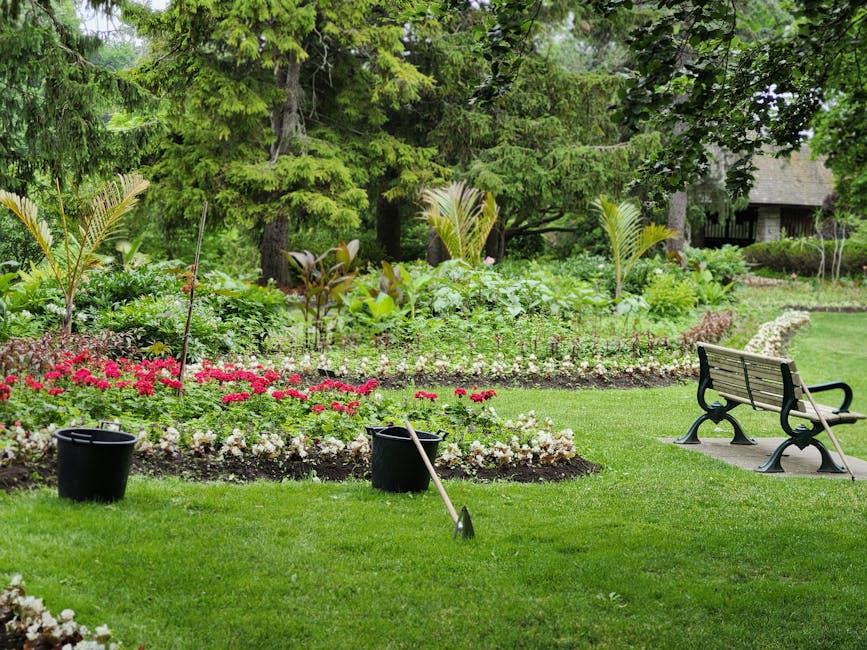
Imagine a typical Brunswick Park garden close to the station: a narrow lawn, a hedge along one side, a few mature shrubs, a patio used for weekend coffees, and a back corner where weeds have quietly taken over. It doesn't look disastrous at first glance, but it feels unfinished. The owner keeps saying, "I'll sort it next month."
In a situation like that, the smartest approach is usually not a full redesign. First, clear access and remove the obvious clutter. Then shape the hedge, restore the lawn edges, deal with weeds properly, and clean the patio so the whole space reads as one garden again. After that, one or two improvements can change the feel completely: maybe a better boundary plant, maybe ground cover in the awkward shaded corner, maybe a seating area that makes the space feel intentional instead of accidental.
The turning point is usually simple. Once the structure is back, the garden starts behaving differently. It becomes easier to maintain. You notice growth sooner. You feel like you can stay on top of it. It sounds small, but it really isn't.
For gardens with pets or children, the planning needs to be a bit more thoughtful. The article on plants and paws is useful if your garden has to work for both humans and animals without constant conflict.
Practical Checklist
Before you book any local gardening work, run through this checklist. It keeps the conversation focused and saves a lot of back-and-forth later.
- What is the main problem: lawn, hedge, weeds, layout, privacy, or a full tidy-up?
- Do you want a one-off visit or regular maintenance?
- Are there access issues, pets, fragile plants, or shared boundaries to mention?
- Do you need waste removed after the work?
- Is the garden exposed to wind, shade, or heavy foot traffic?
- Are you hoping for a neat formal look or a softer, more natural finish?
- Do you want advice on future planting, privacy, or low-maintenance options?
- Have you checked the provider's policies, pricing approach, and service scope?
If you are working with a budget, the piece on low-maintenance budget ideas can help you decide where to spend and where to simplify. Small decisions add up.
And if the garden is the sort that changes with the seasons in a dramatic way, winterising plants is worth considering before the cold sets in.
Get a free quote today and see how much you can save.
Conclusion
The best gardening support near Arnos Grove station in Brunswick Park is the kind that makes your outdoor space easier to live with, not just tidier for the day. That could mean regular mowing and hedge care, a proper recovery plan for an overgrown garden, better privacy planting, or a larger landscaping refresh. The right choice depends on your garden, your budget, and how much time you realistically want to spend outdoors every month.
If there is one thing worth remembering, it's this: a garden does not have to be perfect to be enjoyable. It just needs the right kind of care at the right time. Once the structure is under control, everything else gets a little lighter. A little calmer too.
When you're ready to take the next step, start with clear priorities, ask sensible questions, and choose a service that respects the way you actually use your garden. That's where the real value lives. Quietly, steadily, and right outside your door.
Frequently Asked Questions
What do gardening services near Arnos Grove station Brunswick Park usually include?
They often include lawn mowing, hedge trimming, weeding, pruning, garden maintenance, planting, patio cleaning, and general tidy-ups. Some services also cover landscaping, tree work, fencing, decking, and larger garden resets.
How often should a garden in Brunswick Park be maintained?
That depends on the size of the garden, how fast it grows, and how polished you want it to look. Many gardens benefit from regular visits during the growing season, then less frequent attention in colder months.
Is a one-off garden tidy enough, or do I need regular maintenance?
If the garden is simply a bit messy, a one-off tidy may be enough. If grass, hedges, and weeds keep bouncing back, regular maintenance is usually more practical and more cost-effective over time.
What is the difference between garden maintenance and landscaping?
Garden maintenance is ongoing care, like mowing, pruning, and weeding. Landscaping is broader and usually involves changing the layout, features, planting structure, or overall design of the space.
Can gardening services help with privacy issues?
Yes. Hedge trimming, privacy planting, fencing, climbers, and structured border design can all improve privacy. The right approach depends on your boundary, light levels, and how much screening you want.
What should I ask before hiring a gardener?
Ask what work is included, whether waste is removed, how often they recommend visits, what insurance they hold, and whether they have experience with your type of garden. It is also sensible to ask about pricing and any follow-up care.
Are overgrown gardens expensive to fix?
They can take more time than a routine tidy, so they may cost more than a standard visit. But a proper reset often prevents bigger problems later, which is where the value usually lies.
Can a gardener help if my garden has shade or windy conditions?
Absolutely. Shade-tolerant plants, ground cover, climbers, and wind-resistant layout choices can all make the garden more resilient. The key is choosing plants and methods that suit the conditions rather than fighting them.
Do I need specialist help for trees or large hedges?
For anything substantial, yes, it is wise to use someone with the right experience. Tree work and larger hedge reductions can involve safety risks, so they should be handled carefully.
How do I keep gardening costs under control?
Be clear about your priorities, combine tasks into sensible visits, and choose lower-maintenance planting where possible. It also helps to keep up with small jobs before they become big ones. That old saying really is true here.
What if I want a garden that is friendly for children or pets?
Then the planting, layout, and surface choices all need a little extra thought. Safe routes, sturdy boundaries, non-toxic planting decisions where appropriate, and clear play or seating zones can make a big difference.
How do I get started with a local gardening quote?
The easiest step is to outline what the garden needs and what result you want. If you'd like to speak with the team directly, use the site's contact page and explain the space in plain English. A quick description is usually enough to begin the conversation.